


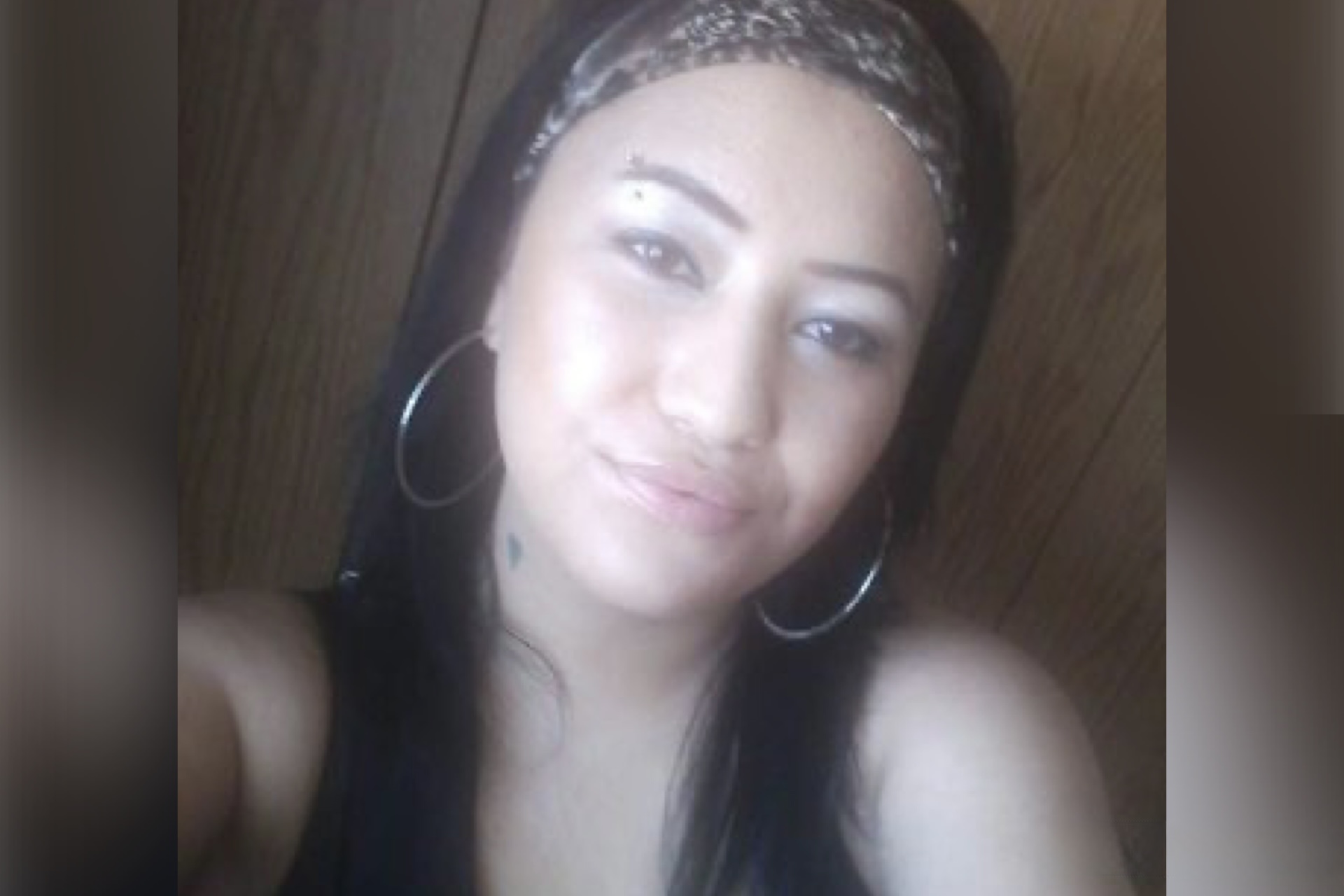
The Parole Board of Canada has declined a request from Tiki Laverdiere’s family to bar Shayla Orthner, who was convicted of manslaughter in her killing, from the community where relatives live and work.
In an Oct. 5 decision, the board continued Orthner’s day parole until statutory release, saying an existing ban on contact with the family appropriately addressed their concerns.
“The family has expressed fear for their safety and has requested a geographic restriction that would prevent you from entering or being present in that community,” the board stated.
However, it said Orthner had lived, worked and participated in treatment and supervision in the area for several months without reported contact, attempted contact or other incidents involving family members.
“On the information presently available, the Board is not satisfied that the additional restriction of excluding you from the broader geographic area is necessary or proportionate,” the board wrote.
The community is not named in the decision. The board said its ruling did not “diminish the seriousness” with which it regarded the family’s concerns.
Orthner, 34, pleaded guilty to manslaughter in April 2022. She was sentenced that August to 10 years in prison, with about five years and five months left to serve after credit for time spent in custody.
Laverdiere, a 25-year-old mother of two from Edmonton, was kidnapped and killed in May 2019 in circumstances linked to gang activity. The board said she was confined and subjected to approximately six hours of violence before being killed.
Her body was discovered in a pond outside North Battleford on July 11, 2019. The board said Orthner helped clean the scene of the offence and dispose of evidence.
A victim impact statement from Laverdiere’s mother described the lasting effects on the family, including Laverdiere’s children, and the broader community.
READ MORE ON THE CASE:
- Supreme Court shuts door on appeal in brutal killing of Tiki Laverdiere
- ‘Crime of vengeance’: Saskatchewan RCMP say witnesses key to solving brutal slaying
Orthner was first granted day parole in November 2023, but it was suspended and revoked after she left her residential facility with associates and drank alcohol at a casino in April 2024.
Since returning to day parole in April 2026, she has maintained full-time employment, remained abstinent from alcohol and illicit drugs, submitted negative urine tests and participated in counselling and correctional programming, the board said.
There have been no reported breaches, suspensions or new offences during that release.
The board acknowledged the exceptional seriousness of the offence and her earlier failed release, but said it had to assess her current risk. It found continued day parole would not present an undue risk to society and would support her reintegration.
Her release conditions prohibit direct or indirect contact with Laverdiere’s family, alcohol consumption, possession or purchase, and drug use other than prescribed and over-the-counter medication taken as directed.
She must report relationships, friendships and changes in their status to her parole supervisor and avoid anyone she knows or has reason to believe is involved in criminal activity or substance use.
Orthner must remain at the residential facility while on day parole. Her statutory release plan is to obtain independent accommodation and keep her job. The exact release date is not stated in the decision.
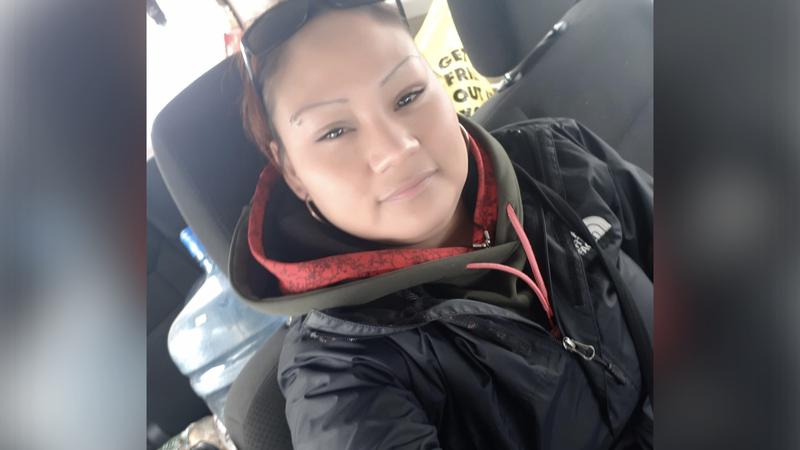
Soaring Eagle Whitstone, who court documents identify as the “Queen” of the Westside Outlawz street gang, is shown in this undated photo. The Supreme Court of Canada has refused to hear her appeal of a first-degree murder conviction in the 2019 killing of Tiki Laverdiere. (Image Credit: Soaring Eagle/Facebook)
The main offender convicted in the case, Soaring Eagle Whitstone, was sentenced in November 2022 to life in prison with no parole eligibility for 25 years for first-degree murder. The Supreme Court of Canada declined to hear her appeal in December 2025.
The remaining co-accused have also been sentenced, including Nikita Cook, Charles St. Savard, Brent Checkosis and Mavis Takakenew, with convictions ranging from first-degree murder to kidnapping and being an accessory after the fact.
—