


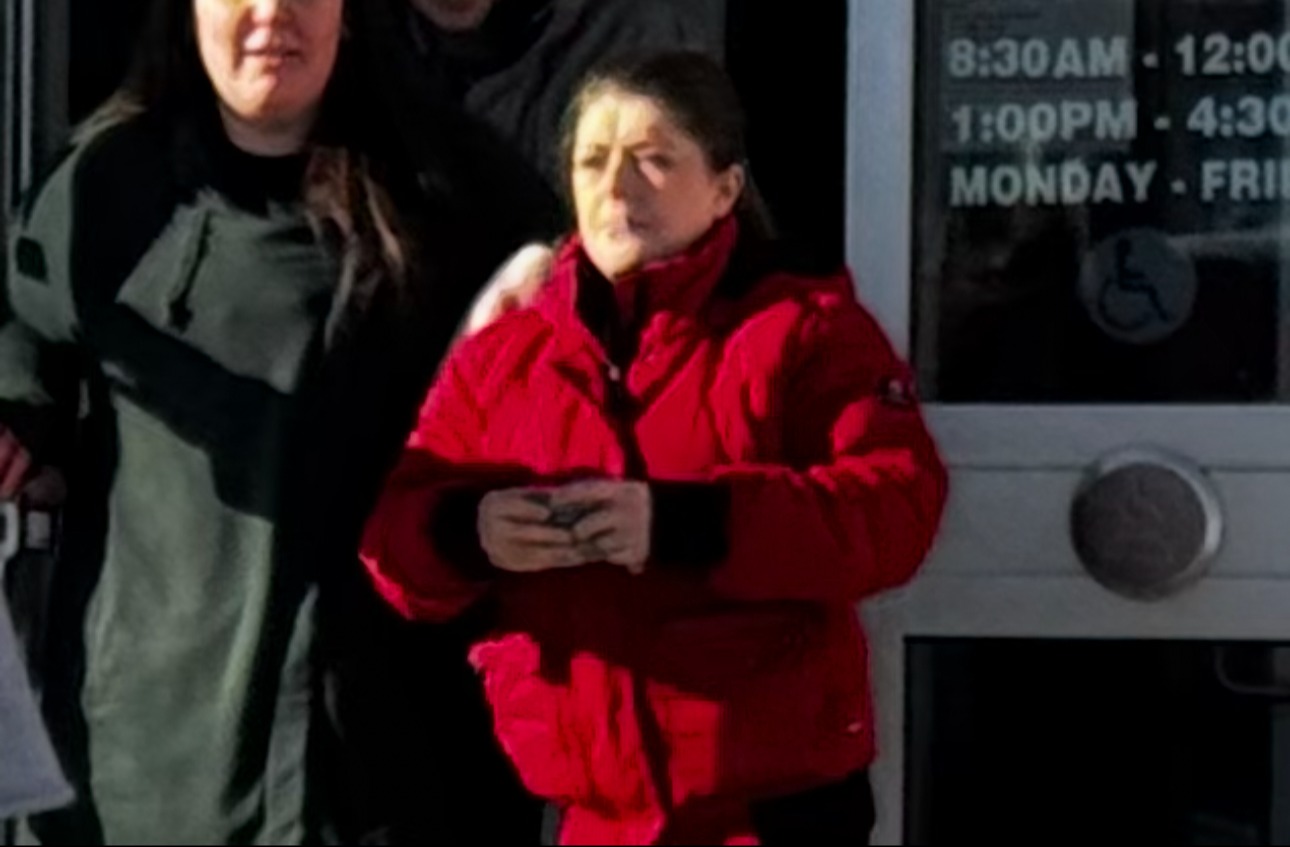
Alleged abuse became normalized at a Wilkie group home, the Crown argued Wednesday, while the defence said changing witness accounts left reasonable doubt in the case against a former employee.
Crown prosecutor Danielle Elder and defence lawyer Meagan Ward delivered closing arguments Oct. 7 in Jaclyn Elias’s trial at North Battleford Provincial Court.
Elias, a former Prairie Branches employee, faces charges including assault, sexual assault, sexual assault with a weapon and uttering threats involving residents at Wilkie Group Home No. 3. The alleged incidents occurred between January 2023 and February 2024.
The residents were non-verbal and required full-time care.
Witnesses alleged Elias put a washcloth in one resident’s mouth, inserted her fingers into another’s mouth and covered a resident’s mouth with her hand. Other allegations included threats, pressing her breasts into residents’ faces and poking a resident in the groin with a bar used for a mechanical lift. Elias denied the alleged abuse.
Read more of the trial:
- Day 1: ‘I feel sick to my stomach’: Witness alleges abuse of vulnerable residents at Wilkie care home trial
- Day 2: ‘Today is the day you’re going to die’: Accused, witness testify in Wilkie care home trial
Elder argued the residents had limited mobility and depended entirely on those entrusted with their safety. She said a misguided sense of humour did not excuse the alleged conduct.
“It does not change the fact that they are, in fact, assaults, sexual assaults,” she said.
Elder argued that the alleged breast contact and groin poking were objectively sexual. She said sexual assault did not require proof of sexual gratification or injury.
Ward said inappropriate comments did not establish criminal conduct and argued the court needed to resolve conflicting accounts of what physical contact occurred.
“Again, these comments and jokes, they’re unprofessional. But that doesn’t mean they’re criminal,” she said.
She distinguished allegations that Elias intentionally pulled residents into her chest from Elias’s account of leaning across them while providing care.
Ward asked the court to acquit Elias, arguing the Crown’s three main witnesses gave accounts that changed between police interviews, their testimony and cross-examination.
She said “the truth is not a moving target,” arguing the discrepancies concerned central details, including the location of a hand placed over a resident’s face, how often incidents occurred and whether there was direct contact between Elias’s breasts and residents’ faces.
The defence also challenged the witnesses’ discussions with one another before reporting their concerns. Ward argued they minimized those conversations when questioned and said witnesses could influence one another’s recollections without deliberately coordinating their stories.
She questioned why employees who understood their reporting obligations and said they feared for vulnerable residents waited weeks or months to report specific incidents.
Elder rejected the suggestion of deliberate collusion, arguing there was no evidence to support it. She said differences in the accounts were understandable given the passage of time and allegations involving multiple residents on multiple occasions.
Elder said two witnesses acknowledged they did not see direct contact between Elias’s breasts and residents’ faces, while a third testified there was contact. She argued those differing accounts supported their truthfulness.
Addressing the reporting delay, Elder said Crown witness Lisa Knuff felt afraid and alone and questioned whether she was overreacting before learning another employee shared her concerns.
“This is reasonable. This isn’t suspicious,” Elder said.
Knuff testified earlier in the trial that she had described Elias as inappropriate to a residential manager but did not report specific allegations to human resources or police until February 2024.
The lawyers also disagreed about Elias’s explanation for a resident having a washcloth in her mouth.
Elias denied putting it there and testified she was trying to remove the cloth after the resident placed it in her own mouth.
Elder argued that account was implausible because the resident breathed through her mouth and would not have resisted efforts to remove something that prevented her from breathing.
Ward said evidence that the resident regularly chewed her own hand supported parts of Elias’s account. She said Elias had described calling for help while struggling to remove the cloth.
The defence also pointed to Elias’s acknowledgement that she made an inappropriate joke, arguing her willingness to concede something unfavourable supported her credibility.
Elder maintained Elias’s explanations did not withstand scrutiny when considered against the full evidence. She acknowledged the Crown had to prove each offence beyond a reasonable doubt and argued it had met that burden.
Ward argued the court did not need to conclude the witnesses lied to acquit Elias. She said their accounts were insufficiently credible and reliable to support convictions, and that Elias’s testimony raised reasonable doubt even if the court did not accept it.
The judge reserved a decision until Dec. 16.
—