


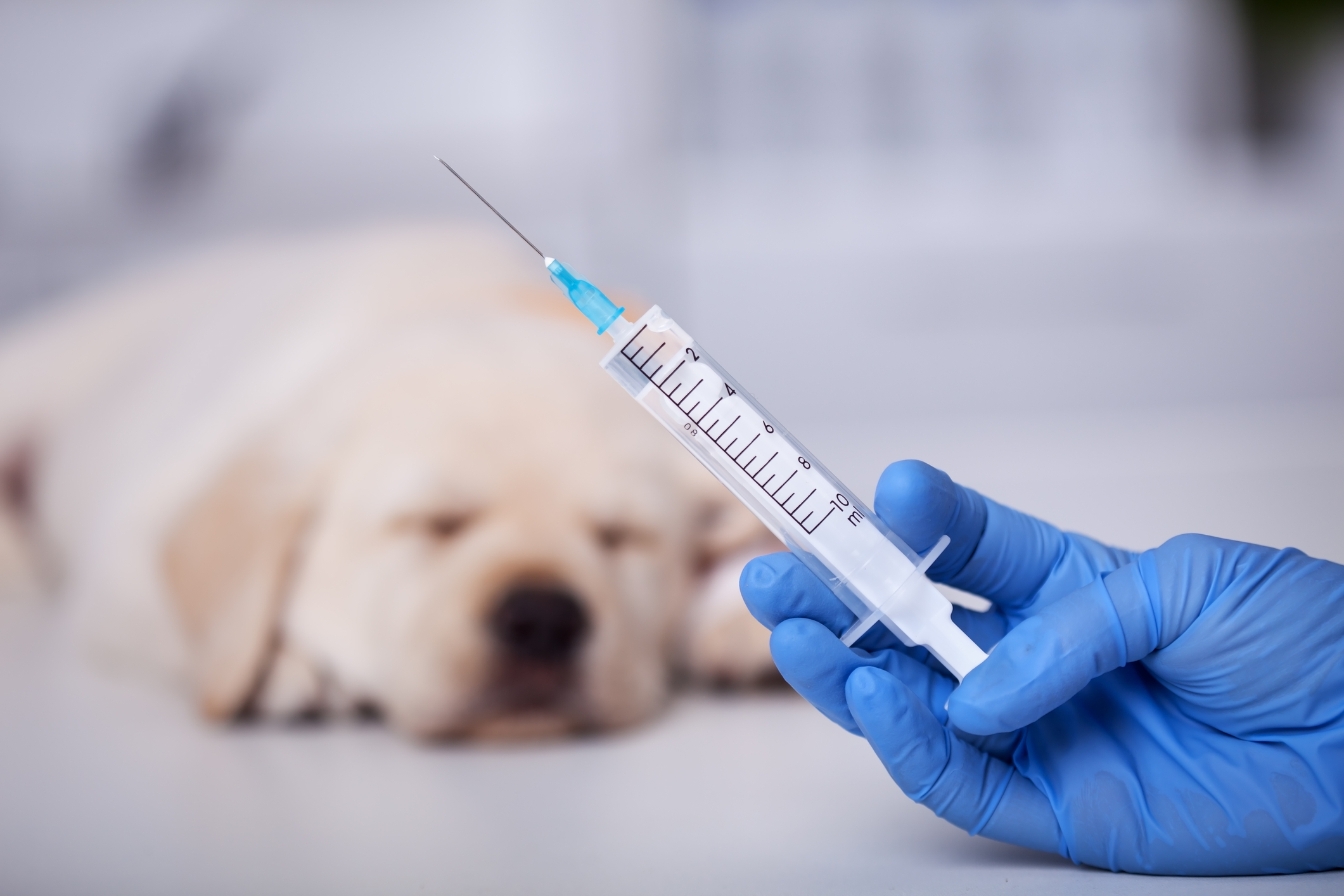
Unity Veterinary Services is urging dog owners to check their pets’ vaccination status after seeing parvovirus cases in dogs in town and on farms.
The clinic issued the warning in a Nov. 24 post.
Parvovirus, often called parvo, is a highly contagious illness that can be life-threatening, particularly for puppies.
Signs include a lack of energy, loss of appetite, vomiting and diarrhea that can be bloody. The Saskatchewan SPCA advises owners to contact a veterinarian immediately if their dog shows symptoms.
The virus can spread through contact with an infected dog or its feces, according to a Saskatchewan SPCA fact sheet. Dogs can also be exposed through contaminated objects or surroundings. The fact sheet said the virus can survive in the environment for up to 10 months.
“Vaccination is absolutely paramount,” Karen Sheehan, a veterinarian and clinical instructor at the University of Saskatchewan’s Western College of Veterinary Medicine, said in a university article published in 2025.
Sheehan said puppies get antibodies from their mothers that fade over time. Completing the initial series of shots helps ensure a puppy’s immune system responds once that protection wears off.
The university advises owners to keep dogs away from dog parks and other busy areas until they are fully vaccinated. Its article describes a booster one year after the initial series and further boosters every three years.
“There’s no easy way to know when that transition happens, so completing the full series of shots is essential,” Sheehan stated.
Vomiting and diarrhea can cause severe dehydration. The university said early veterinary care is critical and can include fluids, medication to control nausea and monitoring of blood sugar.
“With appropriate treatment, the survival rate is 90 per cent.”
The university’s article described a 14-week-old puppy named Griffyn who tested positive before finishing her initial vaccinations. She recovered after nine days of intensive care at the college’s veterinary hospital.
—