


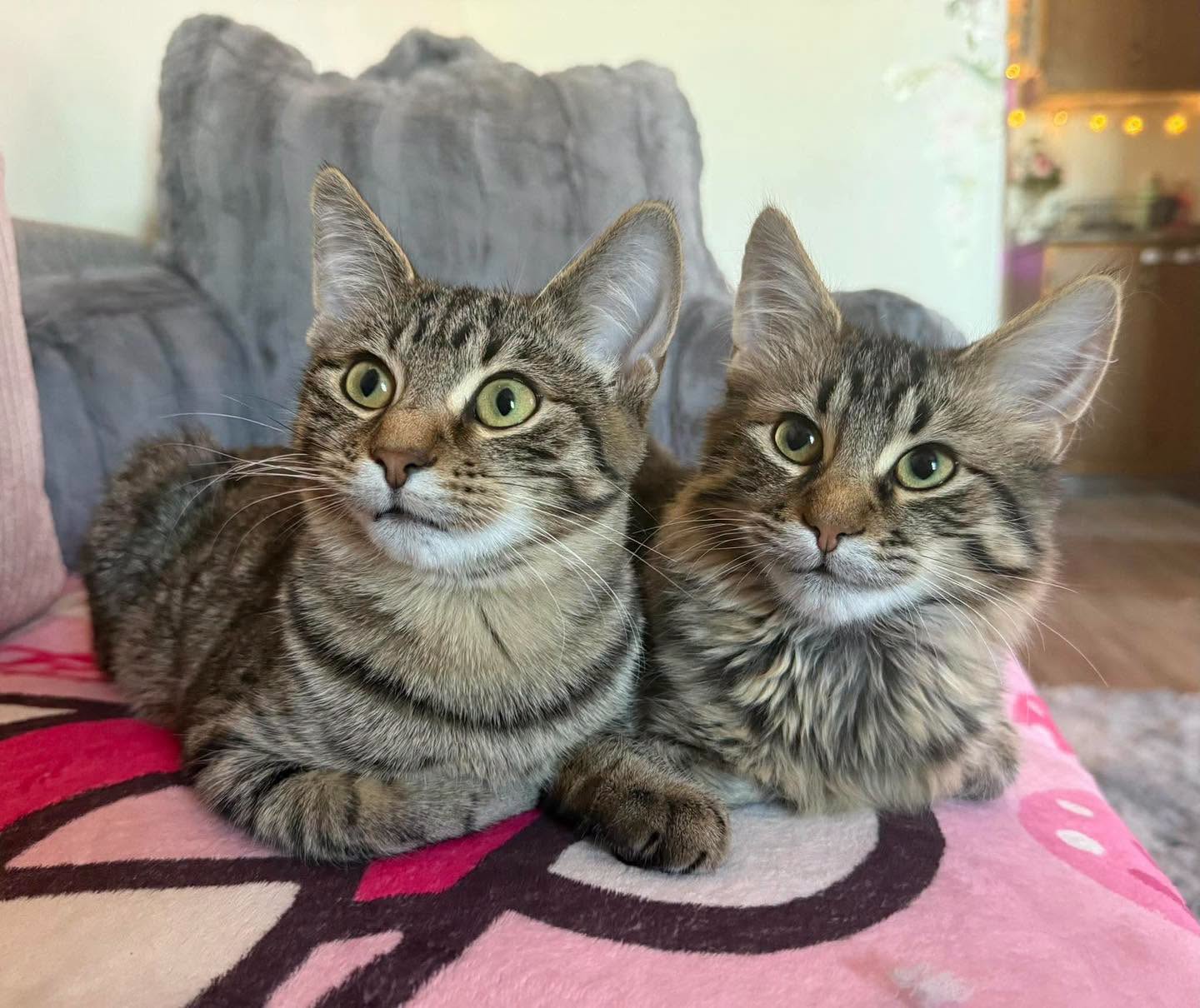
Since launching in July 2025, the Community Cat Care Project: West Central Cat Care Program Foundation has helped an estimated 150 to 200 cats.
“That number is growing substantially every week,” said Vice-President Allie Ferris-Nichol. “We’re really proud of how much we’ve accomplished in a short time.”
The group has seen 18 successful adoptions since July, including seven in July alone.
The project currently has eight board members, 15 foster homes and additional volunteers who help with transportation and other tasks. However, as the number of cats needing assistance grows, Ferris-Nichol said recruiting more volunteers remains one of the group’s biggest challenges.
“We’ve been able to do so much in Radisson. We’ve helped over 70 cats from Radisson alone, but that’s because the core group of our volunteers are there and it’s just easier to help when you have people on the ground,” she said.
The group is now focusing much of its efforts on Blaine Lake and Langham, where it is working to reduce growing feral cat populations.
“It’s gotten out of control,” Ferris-Nichol said. “We have volunteers on the ground, but it’s very hard when we have volunteers travelling to do this.”
She said having more volunteers in individual communities would make it easier to respond when residents report stray cats or litters of kittens in need of help.
In addition to rescuing cats and finding them homes, the project works to make spaying and neutering more accessible. Nearly 20 cats were spayed or neutered through the group’s clinic days over the summer.
“It’s not necessarily just for stray cats or barn cats; it’s for anybody. We’re just trying to erase those barriers,” Ferris-Nichol said. “Maybe somebody can’t drive to the vet, maybe they don’t have a vehicle, they can’t take the day off work, maybe they just can’t afford that $400 for an outdoor cat to get it spayed or neutered.”
All cats in the group’s foster care are also spayed or neutered, vaccinated, dewormed and tested for diseases before being adopted into permanent homes.
The project does not have a physical shelter. Instead, it relies on foster families to care for cats while they receive veterinary treatment and wait to be adopted. Ferris-Nichol said expanding the foster network would allow the group to help more cats and connect them with suitable homes.
—